Visualizing Cyber Threats: The 3D Illustration of a Malicious Email
In the world of digital communication, trust is everything. We rely on our inboxes for critical updates, business proposals, and personal correspondence. But lurking beneath the surface of legitimate emails are phishing attempts and malware attacks that can compromise security in seconds. Trying to explain this invisible threat to a non-technical audience can be difficult, but visual storytelling bridges that gap instantly. That is exactly where the 3D Illustration of a Malicious Email becomes an indispensable asset for modern creators.
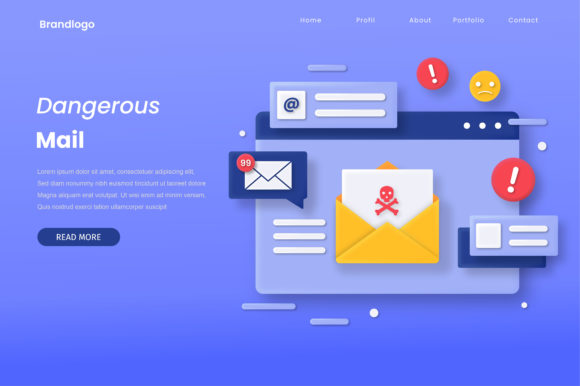
This specific design asset is not just a picture of an envelope; it is a conceptual narrative rendered in high-fidelity 3D. It typically features a stylized envelope that looks slightly sinister—perhaps with sharp edges, glowing warning symbols, or a "hook" emerging from the paper to signify phishing. The color palette often utilizes warning colors like deep reds, electric blues, and ominous purples to signal danger immediately. Because it is a 3D illustration, it offers depth, shadow, and texture that flat graphics simply cannot match. This realism makes the concept of "cyber danger" feel tangible and urgent, which is exactly the reaction you want when educating users about security.
Why 3D Assets Are Changing Visual Communication
For designers and content creators, the shift from flat design to 3D illustration marks a significant evolution in how we present information. A standard 3D Illustration of a Malicious Email brings a level of polish to a project that usually requires expensive custom rendering. The personality of this asset is distinct: it is tech-forward, slightly futuristic, and undeniably professional. It avoids the cartoonish look of older web graphics, opting instead for a sleek, modern aesthetic that resonates with today's tech-savvy audiences.
The versatility of this illustration type is one of its strongest selling points. It fits seamlessly into a variety of contexts. If you are a blogger writing about web design trends or cybersecurity tips, this illustration serves as a perfect header image that grabs attention. For mobile applications, specifically those dealing with security software or email clients, the asset can be used within the UI or onboarding screens to visually explain features without using heavy blocks of text. Even in packaging design for tech products, a stylized 3D email icon can communicate the product's function on the box art immediately.
Furthermore, the file format inclusions—typically Eps File and Jpeg File—ensure that the asset is ready for production. The JPEG is perfect for quick web uploads, social media posts, and digital presentations. However, the EPS file is the real workhorse for professionals. Being vector-based, the EPS allows you to scale the illustration to any size without losing quality. Whether you are designing a massive banner for a tech conference or a small icon for a business card, the lines remain crisp. This scalability is crucial for maintaining a consistent brand identity across multiple touchpoints.
Strategic Applications for Marketers and Entrepreneurs
As a creative professional, you know that visuals drive engagement. But how do you effectively integrate a specific asset like the 3D Illustration of a Malicious Email into your workflow? The answer lies in context and placement. For entrepreneurs and small business owners, this illustration is a powerful tool for educational marketing.
Imagine you are launching a new SaaS product focused on data protection. Your landing page needs to establish authority immediately. Placing this 3D illustration above the fold creates an instant visual anchor. It tells the visitor, "We understand the threats you face, and we are here to help." It replaces generic stock photography with a concept-specific visual that speaks directly to the user's pain points. This approach enhances the visual hierarchy of your page, guiding the user's eye from the problem (the malicious email) to the solution (your product).
Enhancing Brand Perception and Trust
Using high-quality design assets like this 3D illustration directly influences how your brand is perceived. In the crowded digital space, low-effort visuals can make a brand look amateurish. Conversely, investing in premium, stylistic graphics signals professionalism and attention to detail. When a user sees a polished 3D rendering, they subconsciously attribute that quality to your service or product.
For social media graphics, where the scroll speed is lightning-fast, a 3D illustration stands out against the flat background of a feed. It adds a layer of depth that encourages users to pause. You can use the illustration in a carousel post explaining "5 Signs of a Phishing Email," using the image as the cover slide. The consistency of using this specific style across your digital presence helps build brand recognition. Over time, your audience will associate this visual style with your brand's voice—authoritative, modern, and helpful.
Practical Guidance for Implementation
When incorporating the 3D Illustration of a Malicious Email into your projects, a few practical considerations will ensure the best results. First, consider the color temperature of the illustration against your existing palette. If your brand uses a lot of cool blues, the illustration will likely blend in well. If your brand is warm and earthy, you may need to use the asset in a contained area, like a specific module on a webpage, so the clash isn't jarring.
Next, think about font pairing. A modern, 3D tech illustration pairs best with clean, legible typography. A sans serif font is usually the safest bet, as it shares the same modern, clean aesthetic as the 3D art. Avoid overly decorative script fonts or complex serif fonts for headlines when using this illustration, as they can compete for attention and reduce readability. You want the typography to support the image, not fight it.
Finally, always adhere to the licensing agreements. Most assets like this come with a commercial license, allowing you to use them in client work and commercial products. However, it is good practice to verify if the license covers extended uses, such as merchandise or print-on-demand products. By treating these assets with professional care, you protect your business and ensure your creative projects run smoothly.
Conclusion: Elevating Your Visual Strategy
The 3D Illustration of a Malicious Email is more than just a graphic; it is a communication tool that solves a complex visual problem. It allows designers, marketers, and business owners to depict abstract digital threats in a concrete, engaging way. Whether you are building a landing page, designing a presentation, or creating educational content, this asset offers the versatility and quality needed to elevate your work. By integrating this illustration into your toolkit, you not only enhance the aesthetic of your projects but also improve the clarity of your message, ensuring your audience understands the importance of digital safety.